History & Culture
📄 The "Nappy" Movement? What is it?


Natural & Happy = NAPPY!

A movement created in the years between 1960-1970, by Black Women in the United States advocating the natural beauty of the Black Woman in her physical and cultural diversity through other human rights movements.

Faced with the influence of media-driven trends (hair straighteners, wigs, extensions, colorings, lightening products, etc.) and the social pressure to be integrated or tolerated physically.


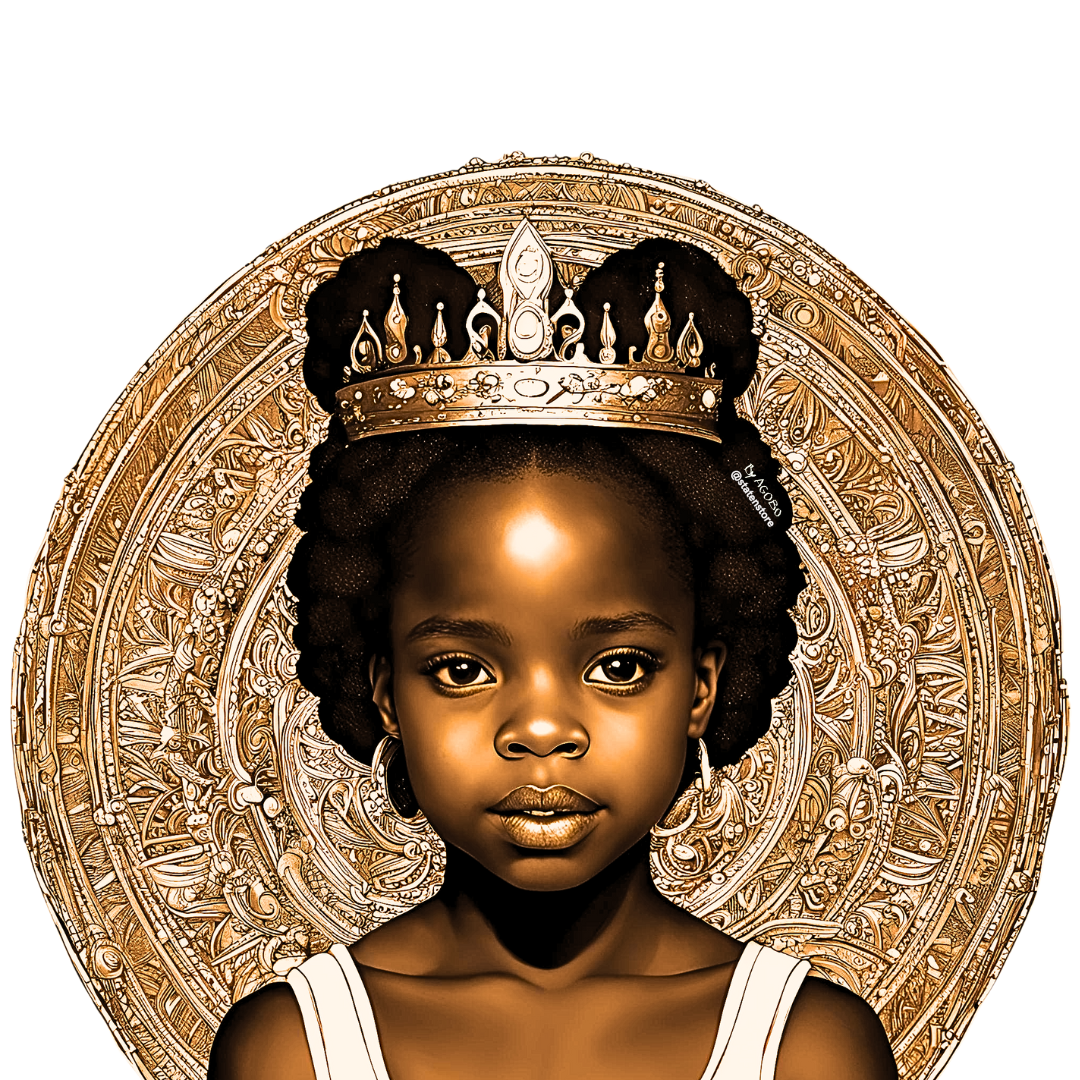
From this period onwards, the Afro in the shape of a halo and the Locks have been the symbol of Strength, of the Affirmation of one's Self-Esteem and of Cultural Pride throughout the Black World.


In black communities in the 80s/90s/2000s, the influence of its ideologies declined until the 2010s, awareness and affirmations amplified with social networks, with more popular celebrities showing themselves with their natural hair or expressing their pride.


There have always been people or communities uninfluenced by foreign fashions or criticisms about keeping their natural hair or skin texture, throughout history and regardless of communities, education, social pressures, fashions, criticisms, etc. Because it is simply a norm to be oneself.


This movement and its problems related to self-esteem, education, history, health, ignorance, intolerance etc... also affect men and children.
The use of fashion accessories (wigs, weaves etc...) is a personal option and not a public necessity or an obligation to be pretty, to work, to study, to get married, to please, to be sincerely loved.
The NAPPY movement is A STATE OF MIND, AN IDEOLOGY, followed for centuries by many people naturally, in all cultures of the world throughout the ages without necessarily being named "NAPPY" or talking about movements.


The Nappy Movement is about accepting yourself as you are physically; it's a basic norm. It's about being proud of being unique, of having Black skin, regardless of your complexion or natural blemishes. It shouldn't be a struggle or a right to demand. The world is full of diversity (plants, sands, animals, lakes, clouds, etc.). Humans are too, and this is true within Black communities around the world. Our cultural and physical diversity is our strength, as are our similarities.


The NAPPY movement is about the pride of having versatile hair that can be short, long, curly, wavy, kinky or stretched naturally without cutting it or using chemicals or hair extensions.


The NAPPY movement is about the pride of having natural hair of any color, with different curl sizes, and having a physique of any shape.
And the NAPPY movement is about the pride of simply seeing yourself as NORMAL, BEAUTIFUL, INTELLIGENT, ENTREPRENEURIAL, STRONG, COURAGEOUS and of LOVING YOURSELF.
This movement has affected the whole world today; its presence varies depending on the historical, sociological, and current legacy of black communities around the world.
Today, a Black woman who loves herself naturally can be a physical role model for her children (girls and boys), her family, her community, and even more people, especially if she's a public figure. She embodies the diversity of Black beauty. She shows that we don't need to hide behind artifice or alter our appearance with chemicals to be beautiful or successful in our professional or personal lives, contrary to what some might try to tell us. Self-esteem and self-knowledge open many positive doors. Hair extensions, wigs, etc., can be style options, depending on our mood, but they are not a necessity or an obligation to be human, beautiful, or loving.


P.S.: A word can mean different things in different languages. And it can have different meanings within the same language. Everyone chooses the language and meaning they wish to use. For many people, the meaning others might give it is irrelevant. So, everyone is free to choose their own definition of the word "NAPPY" and use it to express themselves as they wish.
NAPPY, more than just a hair story. It's a STATE OF MIND!